Braised pheasant legs with bacon and red wine
Eight pheasant legs braised in red wine with smoked bacon until the meat falls off the bone, with the hard tendons picked out. Cooked all the way through, as the FSA advises for game birds.
- Serves 4
- Prep 20 min
- Cook 3 hr
- Total 3 hr 20 min
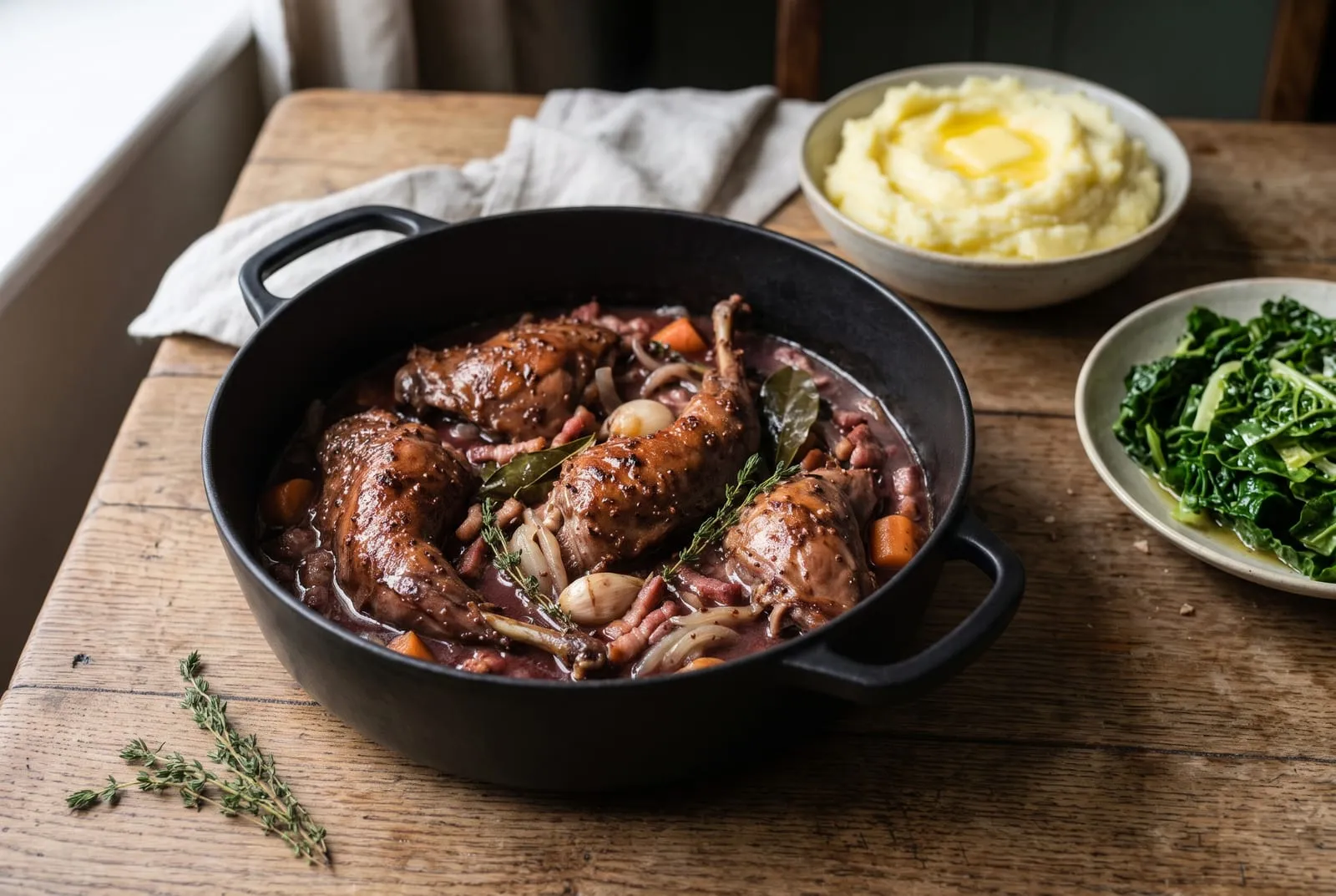
Braise them. Pheasant legs are the tough part of the bird, but 1½ to 2 hours in red wine with smoked bacon turns them into meat that falls off the bone, once you’ve picked out the hard, needle-like tendons in the drumsticks. Take the legs off every time you breast a bird, and freeze them until you have eight.
Why the legs are worth keeping
Breasting a pheasant and leaving the legs behind throws away a lot of meat. In a 2026 study of 40 pheasants, the thigh muscle weighed about three-quarters as much as the breast muscle: roughly 263g against 355g in cocks, and 181g against 243g in hens.
The legs do the walking, so they’re tougher than the breasts, and the Countryside Alliance says older birds are better cooked slowly, by casseroling or braising.
Eight legs, from four birds, serve four. If you only have a few birds at a time, freeze the legs raw as you go (see freezing, below). If you don’t shoot, buy whole birds rather than breasts alone: our wild game listings show the approved game handlers near you.
How to take the legs off a pheasant
Our pan-fried pheasant breasts recipe shows how to breast a bird without plucking it, and covers the legs too: peel the skin off each thigh, bend the leg back until the hip joint pops and cut through it, then cut the foot off at the joint below the drumstick. That leaves the cut ends of the tendons showing. Leave the foot on if you want to pull the tendons from the raw leg (see below).
Don’t wash the legs. The FSA says washing meat and poultry doesn’t get rid of harmful bacteria and can splash them onto your hands, worktops and food, so wipe them with damp kitchen paper.
The tendons
Drumsticks carry thin, stiff tendons that run down towards the foot, and they don’t soften in the pot: Mossberg’s guide to slow-cooked pheasant legs, an American one, cooks them for 12 to 14 hours and still has you pick the bones and tendons out afterwards. We found no study of pheasant legs, but a 2013 paper in the Journal of Anatomy describes the hindlimb tendons of the domestic chicken, including the ones that move the toes, turning to bone and calcifying as a natural change rather than a disease.
The easiest time to take them out is after the braise, when the meat around them has softened. Once the legs are out of the pot and cool enough to hold:
- Look at the cut end of the drumstick, where the foot came off. The tendons show as thin, hard, white rods beside the bone.
- Grip them with kitchen tweezers or clean pliers and pull firmly away from the drumstick, in the direction the foot used to point. They should come away from the softened meat.
- Run your fingertips down the drumstick meat and pull out any you feel. They’re much firmer than the meat, so you find them by touch.
- Put the tendons in a bowl with the bones.
You can also pull some out before cooking. MeatEater shows the method on a mallard: pop the leg joint, wiggle the leg to free the tendons, then hold the thigh and the foot and pull slowly and firmly, so the tendons come out with the foot. We found no source that says this gets every tendon out of a pheasant, so check the cooked meat either way.
Shot and lead
Shot can end up in the legs as well as the breasts. The FSA’s advice on eating lead-shot game covers pheasant, partridge, pigeon and deer, among others, and says to minimise how much you eat, especially small game. That matters most for toddlers, children, pregnant women and women trying for a baby, because lead can harm the developing brain and nervous system, and the FSA’s cooking advice says to avoid game birds in pregnancy. Ask your supplier whether the birds were shot with lead.
If you prepare the birds yourself, the FSA’s wild game guidance says to remove as much lead as possible, with the meat around it. Run your fingers over each leg before it goes in the pan, dig out any pellet with the tip of a small knife, and cut away the meat around it. Check again as you pick the meat, and tell everyone at the table to bite carefully.
Red wine is one more reason to find the shot first. In a 2021 German study, pigs absorbed 15% of the lead from lead-shot roe deer that had been marinated in wine and vinegar before cooking, against 2.7% when it was only cooked. It tested marinades, not braises, and in pigs, not people, so it doesn’t show a wine braise does the same, but it’s a reason to take out the shot before the legs go into the wine.
From 1 April 2029, lead shot can’t be used or sold in England, Wales and Scotland, apart from a few narrow exceptions. Our guide to deer and wild game processing explains what changes.
Cooking it through
The FSA counts game birds as poultry, with chicken, turkey and duck, which can have bacteria all the way through the meat, so they must be cooked all the way through. Its test for fully cooked food is 70°C in the middle for 2 minutes, or an equivalent such as 65°C for 10 minutes or 75°C for 30 seconds. A braise passes that long before the legs are tender, so tenderness, not safety, sets the time, but a probe thermometer pushed into the thickest part of a thigh will confirm it. Use clean tongs, a clean plate and a clean board for the cooked legs, because anything that touched them raw can carry bacteria onto ready-to-eat food.
What to do with the picked meat
Eight legs is generous for four, and picked meat keeps well in its sauce, which stops it drying out. Check it through for tendons and shot as you pick it, then use it in:
- Pasta. Stir the meat and a ladle of sauce through pappardelle or tagliatelle.
- A pie. The cold meat and sauce under shortcrust or puff pastry, baked until steaming hot all the way through.
- Our game pie. It braises its own legs alongside the venison, but you can stir picked leg meat from this recipe into its cooled filling just before the pastry goes on.
The FSA says to cool cooked food and put it in the fridge within 2 hours, then eat it within 48 hours or freeze it, and to reheat it only once, until steaming hot all the way through. Each dish above uses the meat’s one reheat, so don’t reheat what’s left. If you braise the legs a day ahead, warming them for the meal is their reheat, so take out any meat for pasta or a pie, and keep it chilled or frozen, before you warm the rest.
Freezing
You can freeze the legs raw or cooked.
- Raw. Skin them, take the feet off, and freeze them in bags with all the air pressed out. BASC advises freezing game in the form you’ll cook it, for six months at most, and the FSA says meat is usually best eaten within 2 to 3 months. Defrost them in the fridge until completely thawed, because the FSA warns that partly defrosted food may not cook evenly.
- Cooked. Take the meat off the bones, pick out the tendons, and freeze it in portions in its sauce once it’s cold.
Cooked food can be frozen again, but the FSA says it can then be reheated only once. BASC says meat must be cooked before it’s frozen again and that refreezing it raw is dangerous, so if the legs went into the freezer raw, cook them first and freeze the cooked meat.
What to serve with it
Mash soaks up the sauce, and buttered Savoy cabbage, kale or cavolo nero adds something green.
Braised pheasant legs with bacon and red wine
- Serves 4
- Prep 20 min
- Cook 3 hr
- Total 3 hr 20 min
Ingredients
- 8 pheasant legs (from 4 birds), skin on or off, feet removed
- Salt and freshly ground black pepper
- 1 tbsp rapeseed oil
- 150g smoked bacon lardons
- 1 large onion, cut into 8 wedges
- 2 carrots, cut into 3cm chunks
- 6 garlic cloves, peeled
- 250ml red wine
- 300ml chicken or game stock
- 6 sprigs of thyme
- 2 bay leaves
Method
- Heat the oven to 160°C (140°C fan), gas 3. Run your fingers over each leg and dig out any shot with the tip of a small knife, along with any feather it carried in. Pat the legs dry with kitchen paper and season them all over with salt and pepper.
- Heat the oil in a large flameproof casserole over a medium heat. Fry the lardons for 6 to 8 minutes, stirring now and then, until golden and their fat has run. Lift them out with a slotted spoon and set aside.
- Turn the heat up to medium-high. Brown the legs in the bacon fat in two batches, 8 to 10 minutes a batch, turning them every couple of minutes until they're deep golden all over. Don't crowd the pan, or they will steam instead of browning. Move them to a plate.
- Turn the heat down to medium. Add the onion and carrots and cook for 6 to 8 minutes, stirring, until they start to colour at the edges. Add the garlic and cook for 1 minute more.
- Pour in the wine and scrape up the browned bits from the bottom of the casserole. Let it bubble for about 3 minutes, until it has reduced by half. Add the stock, thyme and bay and bring to a simmer.
- Put the legs and lardons back in, with any juices from the plate, packing the legs into one layer where you can. The liquid should come about two-thirds of the way up them, so add a little hot water if it doesn't. Cover with the lid and braise in the oven for 1½ to 2 hours, turning the legs over halfway. They're ready when the meat is falling off the bone. The legs of an older bird can take a little longer.
- Lift the legs onto a clean plate with clean tongs, not the ones you used on the raw legs, and cover them loosely with foil. Spoon the fat off the top of the sauce and take out the thyme stalks and bay leaves. Boil the sauce over a high heat for 10 to 15 minutes, until it has reduced by about a third and coats the back of a spoon.
- While the sauce reduces, pick the tendons out of the drumsticks, as described above, and feel through the meat for any shot you missed. Keep the legs whole, or pull the meat off the bones in large pieces if you'd rather.
- Taste the sauce and season it: the bacon and stock are salty, so wait until it has reduced. Put the legs back in, turn them over to coat them and warm them through for 2 to 3 minutes. Serve two legs each, with the bacon, vegetables and plenty of sauce spooned over.
What you'll need
- Shallow cast-iron casserole Holds legs or joints in a single layer, so they braise evenly.
- Poultry shears Snips through wing and leg joints, and halves small birds.
- Fish-bone tweezers Pulls out stray feathers, shot and pheasant leg tendons.
- Vacuum sealer and bags Stops freezer burn while you save up legs or game for a braise or pie.
- Probe thermometer Checks the middle of the meat rather than guessing. Keep the tip away from the bone.
These are Amazon links. If you buy through them, Lairage may earn a small commission at no extra cost to you.
Questions people ask
How long do pheasant legs take to cook?
About 1½ to 2 hours, covered, at 160°C (140°C fan), gas 3, with the liquid two-thirds of the way up them. They're ready when the meat falls off the bone, which is long after they've passed the FSA's test for fully cooked food. The legs of an older bird can take longer, so check them at 1½ hours.
What can you do with pheasant legs?
Braise them, then serve them whole with the sauce, or pick the meat off the bone for pasta, a pie or a game pie. Slow, wet cooking suits them because they're tougher than the breasts. You can freeze them raw until you have enough, or freeze the cooked meat in its sauce.
How do you remove the tendons from pheasant legs?
The easiest time is after braising, when the meat has softened. Grip the thin white tendons where they stick out of the cut end of the drumstick with tweezers or pliers, pull firmly away from the drumstick, then run your fingers down the meat for any left. You can also pull some out of raw legs, with the foot still attached, but check the cooked meat either way.
Can you eat pheasant legs?
Yes, and there's a lot of meat on them: in a 2026 study of 40 pheasants, thigh muscle weighed about three-quarters as much as breast muscle. They're tougher than the breasts, so braise them. Like all game birds they must be cooked all the way through, and they can contain lead shot, so check them for pellets.
Can you freeze braised pheasant legs?
Yes. Cool them in their sauce, get them in the fridge within 2 hours, and freeze them in portions once they're cold. The FSA says meat is usually best eaten within 2 to 3 months. Defrost in the fridge, reheat once until steaming hot all the way through, and don't reheat what's left.
Sources
- Food Standards Agency: Cooking your food
- Food Standards Agency: How to chill, freeze and defrost food safely
- Food Standards Agency: Eating lead-shot game
- Food Standards Agency: Why avoiding cross-contamination is important
- Food Standards Agency: The Wild Game Guidance
- The REACH (Amendment) Regulations 2026 (SI 2026/195): lead in ammunition
- Countryside Alliance: Cooking tips
- BASC: Freezing game
- Haščík P and others (2026): The meat yield and physicochemical composition of Phasianus colchicus, Acta Universitatis Agriculturae et Silviculturae Mendelianae Brunensis 74(3)
- Agabalyan NA, Evans DJR and Stanley R (2013): Investigating tendon mineralisation in the avian hindlimb: a model for tendon ageing, injury and disease, Journal of Anatomy 223(3)
- Mossberg: Don't forget those pheasant legs
- MeatEater: How to remove leg tendons from game birds (30 October 2018)
- Schulz K and others (2021): Marination increases the bioavailability of lead in game meat shot with lead ammunition, Journal of Nutritional Science 10, e24
This recipe is general information. Follow the Food Standards Agency's advice on cooking meat safely, and on eating game shot with lead if you eat it often.
More recipes
-
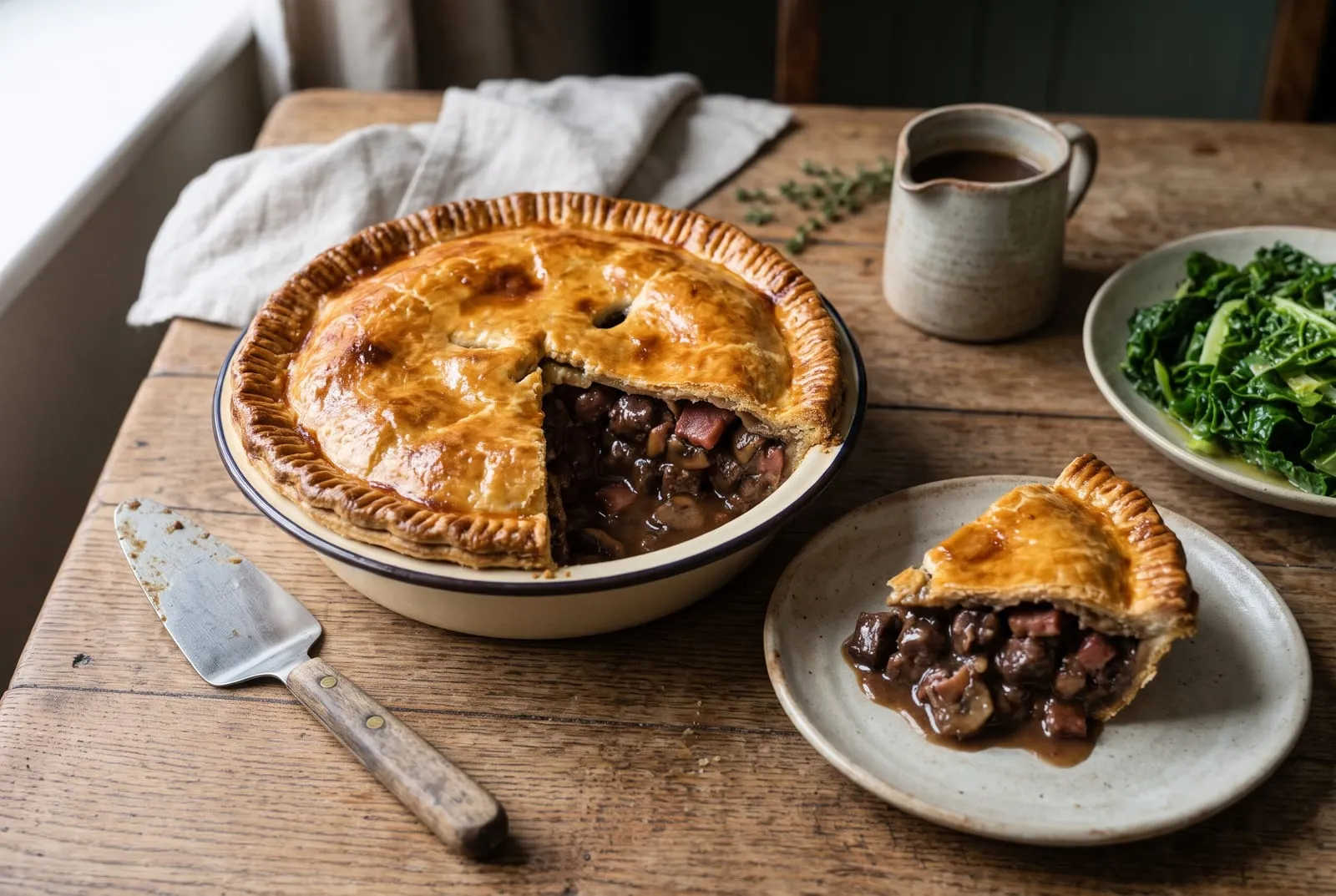
Game pie with venison and pheasant
Diced venison shoulder and pheasant slow-cooked in red wine with smoked bacon, mushrooms and juniper, cooled, then baked under a pastry lid. Freeze it unbaked to keep it.
-
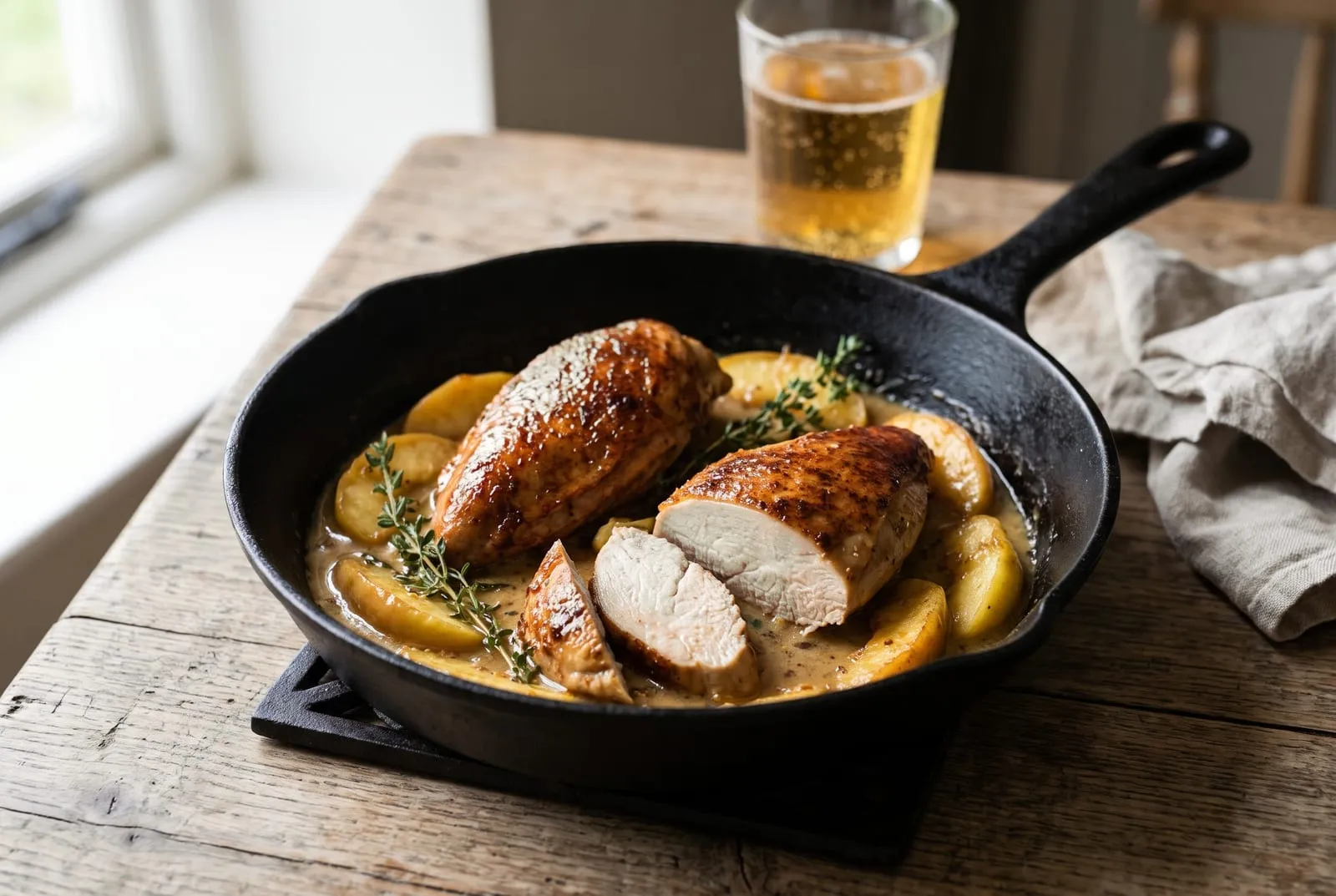
Pan-fried pheasant breasts, no plucking needed
Take the breasts off a brace without plucking or gutting, then pan-fry them in thyme butter with a quick apple, cider and cream sauce. Cooked through, as the FSA advises for game birds, and still juicy.
-
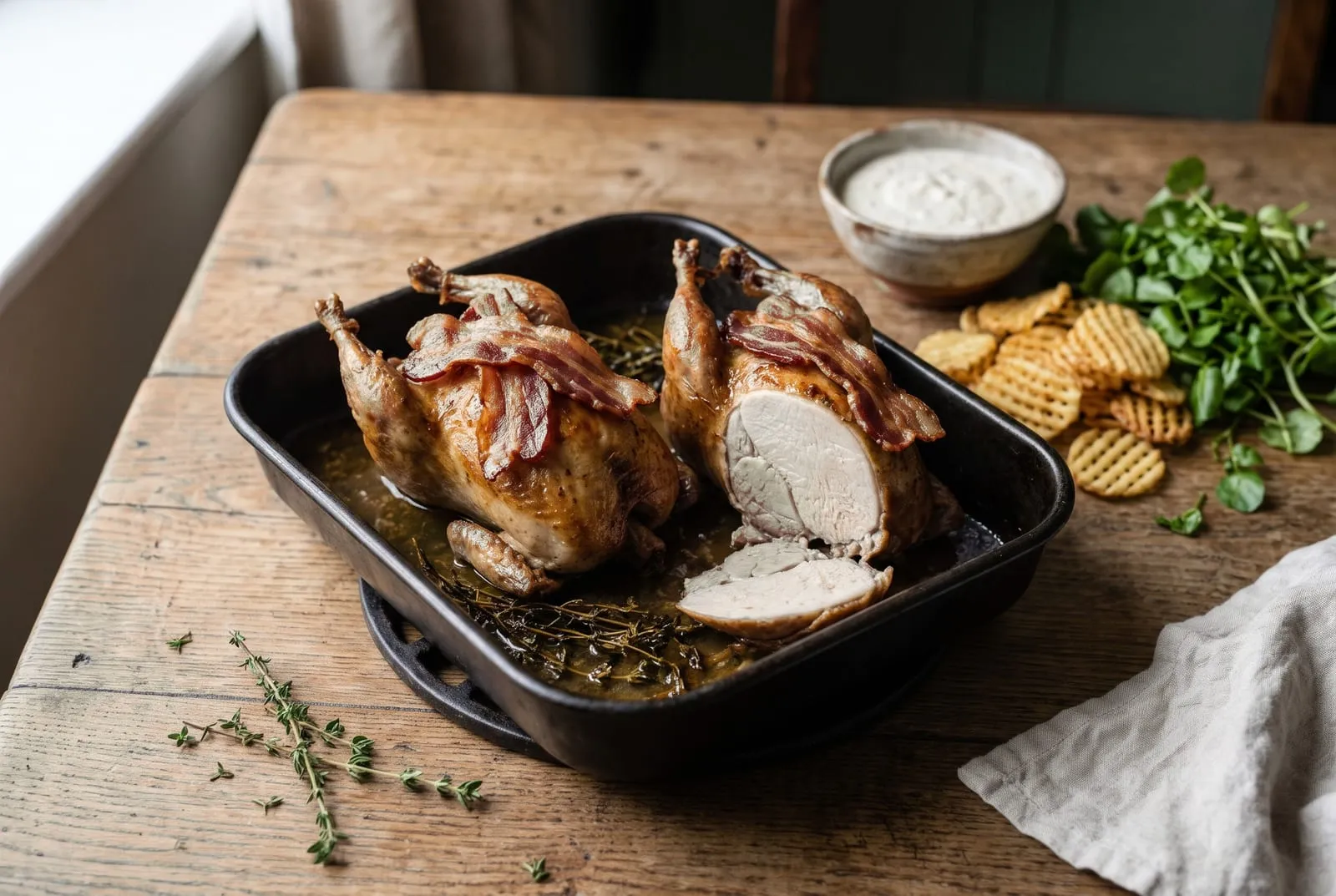
Roast partridge with bacon
Two partridges browned in a pan, covered with streaky bacon and roasted until cooked through, then rested and served with pan gravy, bread sauce, game chips and watercress.