Roast partridge with bacon
Two partridges browned in a pan, covered with streaky bacon and roasted until cooked through, then rested and served with pan gravy, bread sauce, game chips and watercress.
- Serves 2
- Prep 20 min
- Cook 45 min
- Total 1 hr 5 min
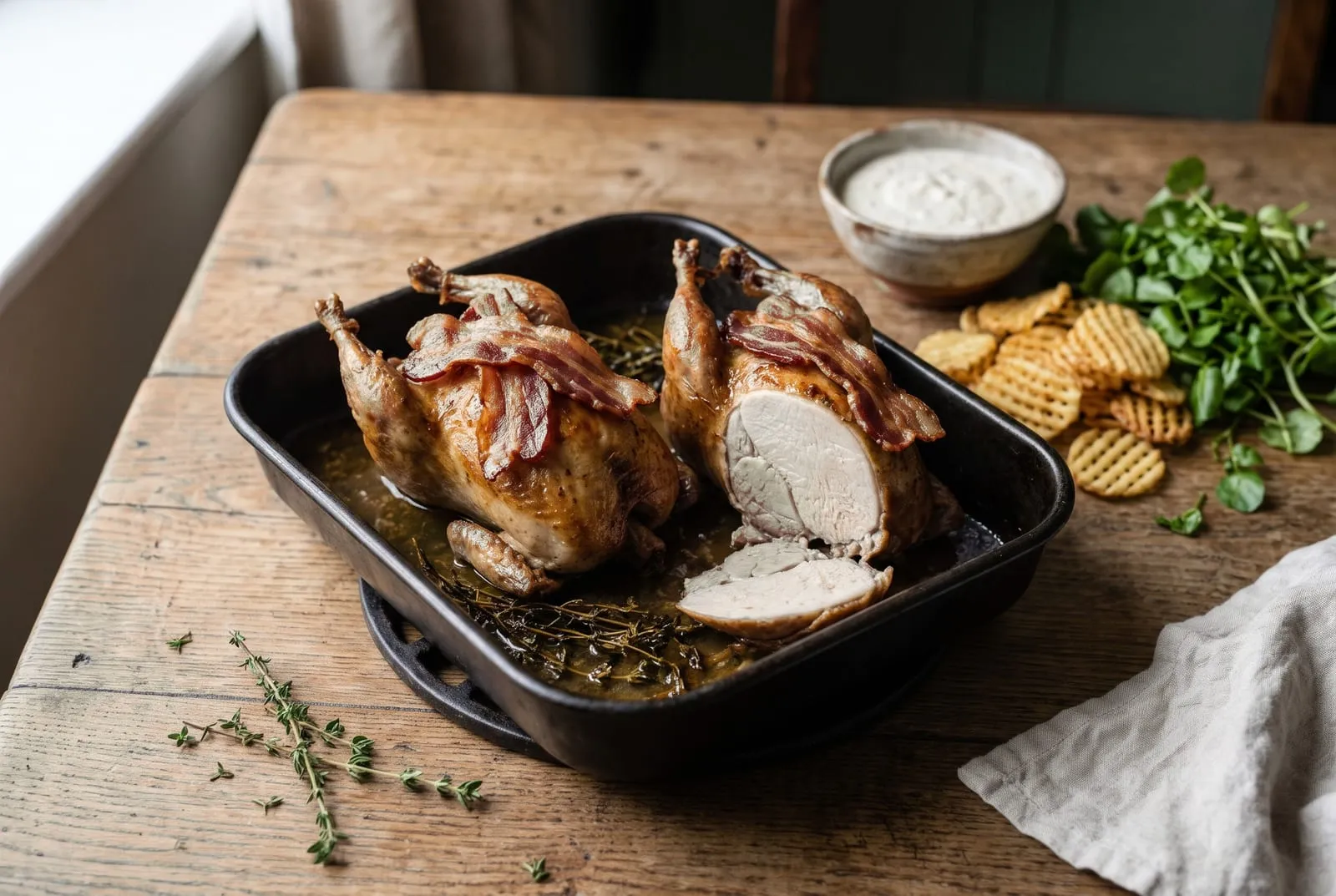
Roast partridge for 20 to 25 minutes in a 200°C (180°C fan), gas 6 oven, with bacon laid over the breasts, until the thickest part of the leg has held 70°C for 2 minutes. That cooks it all the way through, as the FSA advises for game birds, and the bacon and butter keep the lean breast moist while the leg catches up. Grey and red-legged partridge are in season from 1 September to 1 February.
Grey and red-legged partridge
Britain has two partridges, says the Countryside Alliance: the native grey, often called the English partridge, and the French or red-legged. One game supplier calls the red-legged the larger and more common of the two, and the grey a treat that’s less regularly available, with darker meat and a more intense flavour. The British Trust for Ornithology (BTO) gives the weight of a live red-legged partridge as 487.5g and of a grey as 390g.
The grey is also a conservation concern. The BTO lists it as red on the UK list of birds of conservation concern, and the Game and Wildlife Conservation Trust advises against shooting wild greys if there are fewer than 20 birds per 100 hectares in autumn. If a supplier offers grey partridge, ask where it was shot.
The partridge season
BASC gives the season for both species as 1 September to 1 February in England, Wales and Scotland, and 1 September to 31 January in Northern Ireland. This season’s last day is Monday 1 February 2027. The Countryside Alliance’s cooking tips say young birds bought before Christmas are best roasted, and older birds are better casseroled or braised.
Buying partridge
Game dealers, butchers, farm shops and online suppliers sell partridge oven-ready (plucked and drawn) or in the feather. Our wild game listings show the approved game handlers near you, and dealers’ published prices for oven-ready partridge ran from £2.60 to £4.00 a bird in 2025 and 2026, according to our guide to where to take shot pheasants, partridges and ducks.
An oven-ready bird is much lighter than a live one, because the feathers, head, feet and innards are gone: one online supplier lists an oven-ready red-legged partridge at about 275g and says it serves one. The Countryside Alliance says one bird usually feeds one person and a larger one may feed two, so allow one each.
If you have birds in the feather, hang them first if you want to. The Countryside Alliance’s Game to Eat campaign suggests 5 to 7 days at about 5°C for game birds, and fewer days if it’s warmer, but says not to hang one that’s gut shot or badly mangled. Our guide to how long to hang meat has the detail.
Plucking and drawing a partridge
The Countryside Alliance says partridge is plucked like pheasant, with care not to tear the skin. These steps follow ShootingUK’s guide to pheasants in the feather:
- Pluck the legs, then the back, then the breast, taking a few feathers at a time and holding the skin down with your other hand.
- Cut the wings off with poultry shears, one joint out from the body, and pluck round the stumps.
- Pass the skin briefly over a flame to burn off any tiny quills.
- Cut off the head halfway up the neck, and the feet at the main joint halfway down the leg.
- Reach into the neck and pull out the crop, the small bag of recently swallowed food, in one piece.
- Cut across the vent, wide enough for two or three fingers, hook your fingers round the insides and pull them out together. Take care not to burst the gall bladder, which, as one butcher’s guide warns, can taint the meat.
- Wipe the inside with damp kitchen paper rather than rinsing it: the FSA says washing raw poultry doesn’t get rid of bacteria and can splash them onto your hands and worktop. Wash your hands and the board afterwards.
Shot and lead
The FSA lists partridge as lead-shot game. It says people who eat lead-shot game often, especially small game, should cut down, because lead can harm the developing brain and nervous system, which matters most for toddlers, children, pregnant women and women trying for a baby. Its cooking advice says to avoid game birds during pregnancy, because the meat may contain lead shot. This covers England, Wales and Northern Ireland, and Food Standards Scotland gives the same advice.
Ask your supplier whether the birds were shot with lead. The supplier above also offers steel shot, and warns that it’s harder than lead, so bite carefully either way. If you’ve shot the birds yourself, the FSA’s wild game guidance says to remove as much lead as possible, with the surrounding meat. Our pheasant recipe explains how to find pellets. Under regulations made in March 2026, lead shot can’t be used or sold in England, Wales and Scotland after 1 April 2029, apart from a few narrow exceptions.
Cooking it through, and why the bacon
The FSA counts game birds as poultry, with chicken, turkey and duck, which can have bacteria all the way through the meat. It says they must be cooked all the way through: no pink meat, juices that run clear, and the middle at 70°C for 2 minutes, or an equivalent such as 75°C for 30 seconds. For a whole bird, the thickest part is the leg between the drumstick and the breast, so that’s where the probe goes, away from the bone. In Scotland, Food Standards Scotland advises 75°C at the thickest part, for game such as partridge and pheasant.
Partridge is lean, which is why the bacon is there. The leg takes longer than the breast, so by the time it’s cooked an unprotected breast would be dry. The bacon bastes the breast as its fat melts and shields it from the oven’s heat, and the butter and thyme in the cavity add moisture from inside. The Countryside Alliance says a smother of butter or streaky bacon keeps game moist.
Timing is a guide. The Countryside Alliance says half an hour’s roasting is usually fine, and one supplier gives 20 minutes at 180°C. In a 200°C (180°C fan), gas 6 oven, an oven-ready bird of about 275g usually takes 20 to 25 minutes after browning. A bigger bird, a crowded pan or a cooler oven takes longer, so start checking at 15 minutes.
Carving
Halve each bird, so each half has a breast and a leg. Lay the bird breast down on a board, snip along each side of the backbone with poultry shears and lift the backbone out, then turn the bird over and cut through the breastbone. Keep the backbones for stock.
Using the carcasses for stock
Put the backbones, and any bones left on the plates once everyone has finished, into a pan with an onion, a carrot, a celery stick, a bay leaf and a few peppercorns. Cover with cold water, simmer gently for about 2 hours, skimming off any scum, and strain. The FSA says to get cooked food into the fridge within 1 to 2 hours, in small portions so it cools quickly, so collect the plate bones promptly, and to eat the stock within 48 hours or freeze it. Pick out any shot you can find first.
Leftovers
The FSA says leftovers can be eaten cold if they were cooked properly, cooled and put in the fridge within 2 hours, and should be eaten within 48 hours or frozen. Cold partridge is better than reheated, which risks drying it out: pick the meat off the bone into a salad with watercress. Reheat bread sauce only once, until steaming hot all the way through.
What to serve with it
Bread sauce and game chips are the traditional partners. Game chips are thin, crisp potato slices, and a bag of good thin or waffle-cut crisps does the job. Watercress dressed with lemon cuts the richness, and buttered cabbage suits the same plate. The rest of the wine from the gravy goes well with it.
Roast partridge with bacon
- Serves 2
- Prep 20 min
- Cook 45 min
- Total 1 hr 5 min
Ingredients
- 2 partridges, oven-ready (about 275g each) or plucked and drawn
- Salt and freshly ground black pepper
- 20g butter, softened
- 4 sprigs of thyme
- 1 tbsp rapeseed oil
- 4 rashers of streaky bacon
For the gravy
- 1 tsp plain flour
- 100ml dry white wine
- 150ml chicken or game stock
- 1 tsp redcurrant jelly
For the bread sauce
- 300ml whole milk
- 1 small onion, halved
- 4 cloves
- 1 bay leaf
- 60g fresh white breadcrumbs
- 15g butter
- Freshly grated nutmeg
To serve
- 80g watercress
- A handful of game chips, or thin potato crisps
Method
- Heat the oven to 200°C (180°C fan), gas 6. For the bread sauce, put the milk, onion, cloves and bay leaf in a small pan and bring just to a simmer. Take it off the heat, cover and leave to infuse while you prepare the birds.
- If you're starting with birds in the feather, pluck and draw them first, as described above. Pat the partridges dry with kitchen paper, inside and out, and feel over them once more for shot and stray quills. Season them with salt and pepper, then put 10g of butter and 2 sprigs of thyme inside each bird.
- Heat the oil in a heavy ovenproof frying pan or a small flameproof roasting tin, about 26cm across, over a medium-high heat for about 2 minutes, until it shimmers. Brown the partridges for about 5 minutes in all, turning them with tongs onto each breast and then each side, until golden. Stand them breast up, side by side.
- Lay 2 rashers of bacon over each breast, tucking the ends under the bird, and put the pan in the oven.
- Roast for 15 minutes, then push a probe thermometer into the thickest part of a leg, between the drumstick and the breast, without touching the bone. When it reads 70°C, roast for 2 minutes more, so the thickest part holds 70°C for 2 minutes, the FSA's test for food that's fully cooked. If it isn't at 70°C yet, check again every 3 minutes. It usually takes 20 to 25 minutes in all. In Scotland, Food Standards Scotland advises 75°C, so take it to 75°C instead. Without a probe, cut between the thigh and the body: there should be no pink meat, and the juices should run clear.
- Lift the birds onto a clean, warm plate, not the board they were prepared on, tipping any juices from the cavities back into the pan. Lift the bacon off and keep it warm. Cover the birds loosely with foil and leave them to rest for 10 minutes. Meanwhile, take the onion, cloves and bay leaf out of the milk, stir in the breadcrumbs and simmer over a low heat for 5 minutes, stirring, until thick. Stir in the butter and a little nutmeg, season to taste and keep warm.
- For the gravy, use a cloth, because the pan handle will still be hot, to pour all but 1 tbsp of the fat out of the pan, then put it over a medium heat. Stir in the flour for 1 minute. Pour in the wine, scraping up the browned bits from the bottom, and let it bubble for 2 minutes. Add the stock and redcurrant jelly and boil for 3 to 4 minutes, until it coats the back of a spoon. Tip in any juices from the resting plate, strain into a jug and season to taste.
- Halve each bird, as described above, and serve with the bacon, gravy, bread sauce, game chips and watercress.
What you'll need
- Small roasting tin Two small birds fit snugly, so the juices don't burn.
- Poultry shears Snips through wing and leg joints, and halves small birds.
- Locking kitchen tongs Turns and lifts browned pieces without piercing them.
- Fish-bone tweezers Pulls out stray feathers, shot and pheasant leg tendons.
- Thin-tip probe thermometer A slim probe reads the middle of a small breast or leg without touching bone.
These are Amazon links. If you buy through them, Lairage may earn a small commission at no extra cost to you.
Questions people ask
How long do you roast a partridge?
About 20 to 25 minutes at 200°C (180°C fan), gas 6, for an oven-ready bird of about 275g that has been browned in a pan and covered with bacon. It's done when the thickest part of the leg has held 70°C for 2 minutes, with no pink meat and clear juices, or 75°C if you follow Food Standards Scotland. Larger birds take longer, so go by a probe thermometer rather than the clock.
Can you eat partridge pink?
No. The FSA counts game birds as poultry, like chicken, turkey and duck, which can have bacteria all the way through the meat, so they need cooking all the way through. That means no pink meat, juices that run clear, and 70°C for 2 minutes in the thickest part, or an equivalent such as 75°C for 30 seconds. The Countryside Alliance says pale game such as partridge tends to be served well done anyway.
When is partridge in season?
According to BASC, grey and red-legged partridge can be shot from 1 September to 1 February in England, Wales and Scotland, and from 1 September to 31 January in Northern Ireland. This season ends on Monday 1 February 2027.
Do you need to hang partridge?
It's a matter of preference. The Countryside Alliance's Game to Eat campaign suggests 5 to 7 days at about 5°C for game birds, and fewer days if it's warmer, but says not to hang a bird that's gut shot or badly mangled. Oven-ready birds are already plucked and drawn, so ask your supplier how long they were hung.
How many partridges do you need per person?
One oven-ready bird each. The Countryside Alliance says one bird usually feeds one person and a larger one may feed two, and one game supplier lists an oven-ready red-legged partridge at about 275g and says it serves one. A brace, which is two birds, serves two.
Sources
- Food Standards Agency: Cooking your food
- Food Standards Agency: Eating lead-shot game
- Food Standards Agency: Why avoiding cross-contamination is important
- Food Standards Agency: How to chill, freeze and defrost food safely
- Food Standards Agency: The Wild Game Guidance
- Food Standards Scotland: Turkey cooking guide, which covers game such as partridge and pheasant
- Food Standards Scotland: Lead-shot game
- BASC: Shooting seasons
- Countryside Alliance: Partridge (1 April 2015)
- Countryside Alliance: Cooking tips
- Countryside Alliance: Hanging your game
- Countryside Alliance: Plucking your game
- British Trust for Ornithology: Red-legged Partridge, BirdFacts
- British Trust for Ornithology: Grey Partridge, BirdFacts
- Game and Wildlife Conservation Trust: Grey partridges and shooting
- ShootingUK (Sporting Gun): How to pluck and gut whole pheasant in the feather (15 June 2022)
- John Norris: How to prepare pheasant for cooking (16 January 2026)
- Wild Meat Company: Partridge, the perfect introduction to game (16 November 2016)
- Wild Meat Company: Partridge (oven ready)
- The REACH (Amendment) Regulations 2026 (SI 2026/195): lead in ammunition
This recipe is general information. Follow the Food Standards Agency's advice on cooking meat safely, and on eating game shot with lead if you eat it often.
More recipes
-
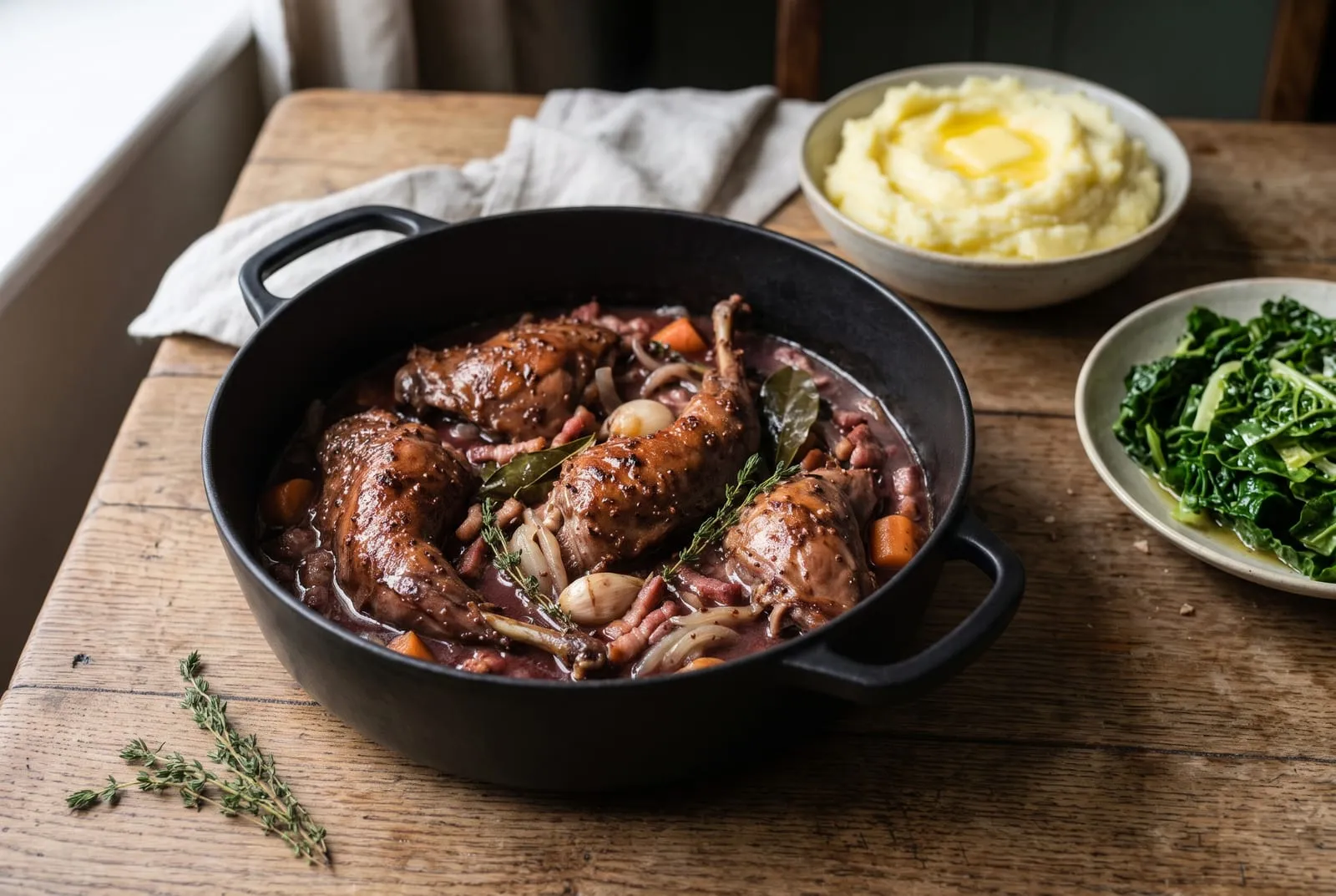
Braised pheasant legs with bacon and red wine
Eight pheasant legs braised in red wine with smoked bacon until the meat falls off the bone, with the hard tendons picked out. Cooked all the way through, as the FSA advises for game birds.
-
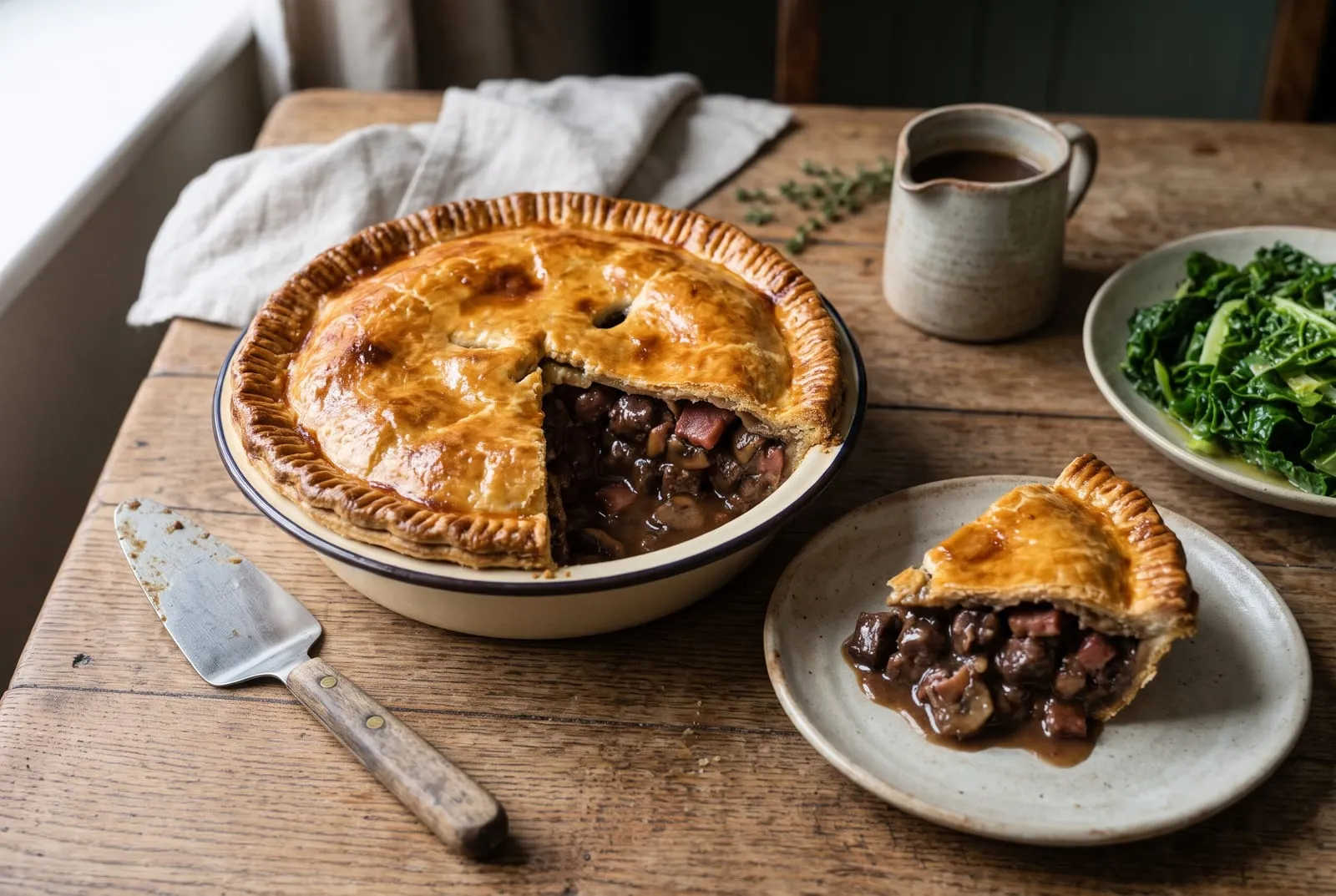
Game pie with venison and pheasant
Diced venison shoulder and pheasant slow-cooked in red wine with smoked bacon, mushrooms and juniper, cooled, then baked under a pastry lid. Freeze it unbaked to keep it.
-
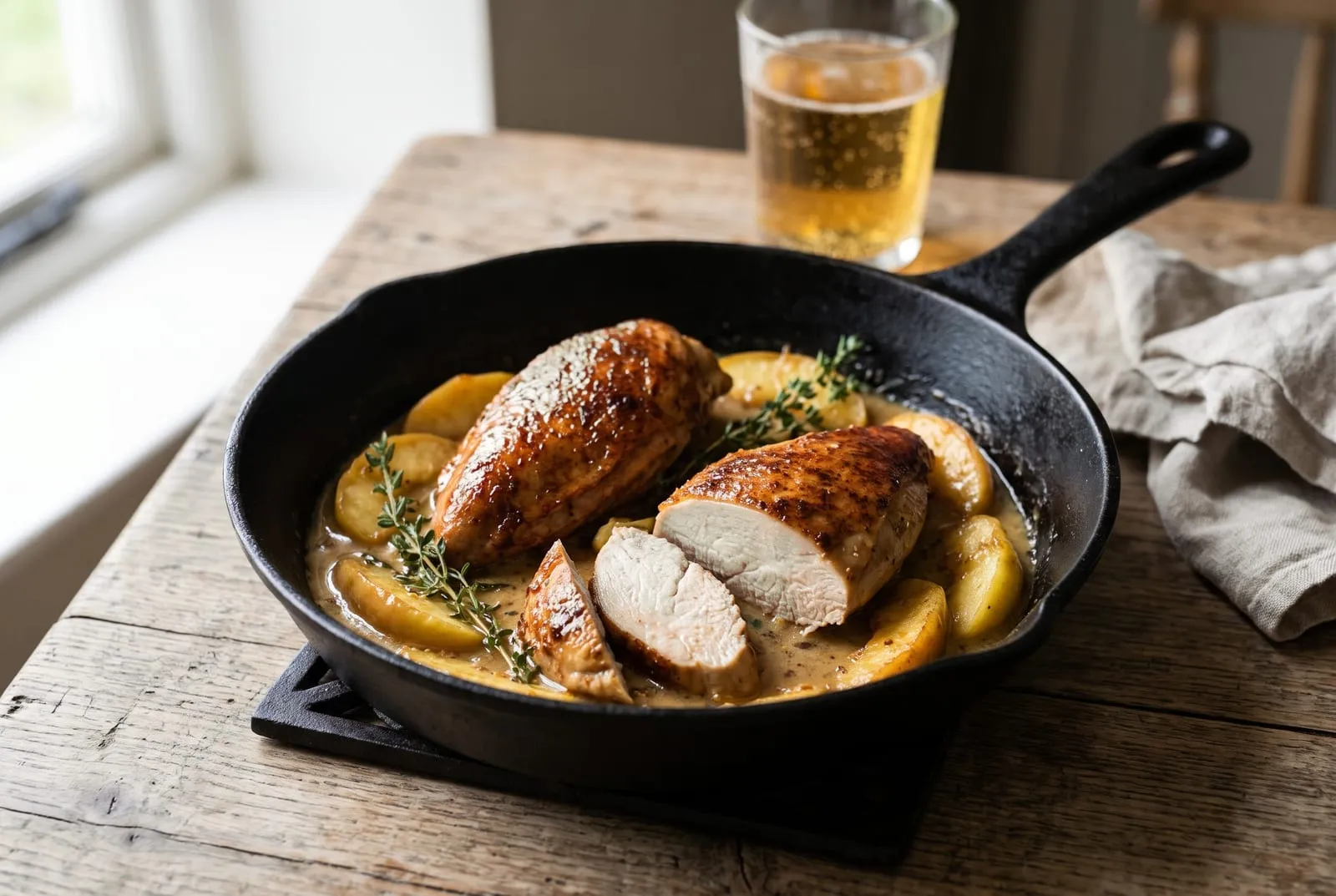
Pan-fried pheasant breasts, no plucking needed
Take the breasts off a brace without plucking or gutting, then pan-fry them in thyme butter with a quick apple, cider and cream sauce. Cooked through, as the FSA advises for game birds, and still juicy.