Rabbit casserole with cider, mustard and bacon
Jointed rabbit browned, then cooked gently for 1¼ to 1½ hours in dry cider and stock with smoked bacon, and finished with double cream and wholegrain mustard. Works with wild or farmed rabbit.
- Serves 4
- Prep 30 min
- Cook 2 hr 25 min
- Total 2 hr 55 min
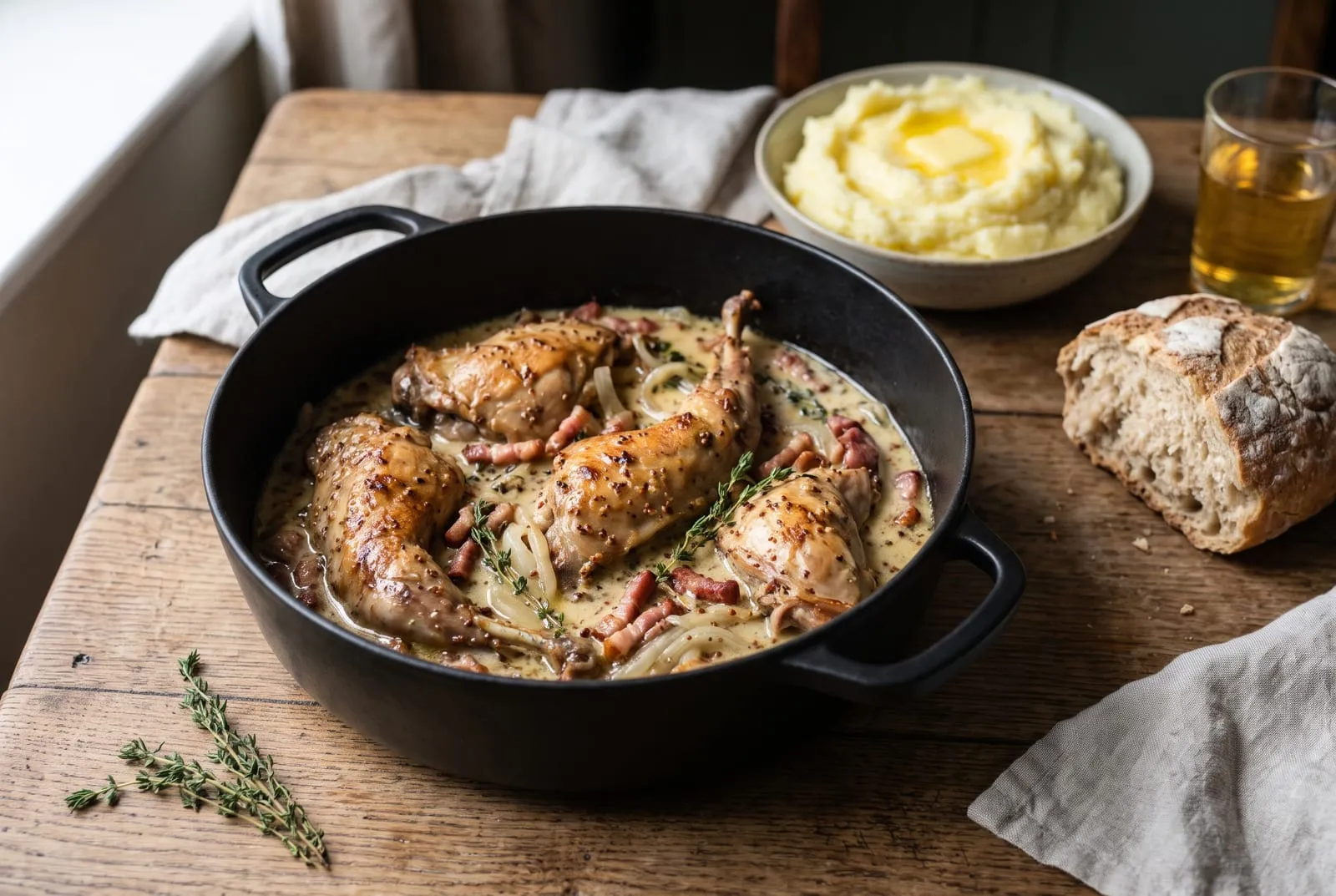
Brown jointed rabbit, then cook it covered and gently in dry cider and stock with smoked bacon, onion, thyme and bay for 1¼ to 1½ hours, until the meat pulls off the bone. Cream and wholegrain mustard go in at the end. Rabbit is lean and bony, so slow, wet cooking suits it, wild or farmed.
How to paunch, skin and joint a rabbit
If you’ve bought a rabbit already skinned and gutted, skip to step 5. Otherwise work on a board kept for raw meat, and wash your hands, knife and board afterwards.
- Check the rabbit over for lumps, sores or swollen eyes. If it looks diseased, don’t use it.
- Lay it on its back and press along the belly towards the tail to empty the bladder. Make a small cut through the skin and belly wall just below the ribs, put two fingers in to hold the wall clear of the guts, and cut down to the pelvis.
- Cut through the diaphragm, the thin sheet between belly and chest, and pull out the guts, heart and lungs, cutting round the vent so the bowel comes away. Cut away any meat touched by a split gut or bladder. Set aside the liver and heart if they look normal, and cut the kidneys out of the fat beside the backbone. Wipe out the cavity with damp kitchen paper rather than rinsing it.
- Cut round each back leg at the knee, slit along the inside of the leg towards the tail, peel the skin back, then pull it forwards over the body and front legs and off over the head. Cut off the head, feet and tail.
- Check for shot, bullet fragments, bone splinters and bloodshot patches, and cut out anything damaged, with the meat around it.
- Cut off each back leg through the hip joint and each front leg where it meets the ribs. Cut across behind the ribs to free the saddle, the meaty loin, and cut it through the backbone into 2 or 3 pieces. Keep the ribcage, belly flaps and neck for stock.
Chill the pieces straight away: Food Standards Scotland says small wild game, including rabbits, should be at 4°C or below throughout the meat. Our guide to how long to hang meat has no rabbit time, as we found no published one, so cook or freeze it soon after preparing it.
Wild or farmed rabbit, and where to buy it
A wild rabbit is lean and of unknown age, so test for tenderness rather than trusting the clock. A farmed rabbit is bred for the table, so it’s usually larger and more tender, and it hasn’t been shot, so the lead advice below doesn’t apply. Start testing a farmed rabbit after an hour.
- Game dealers. Approved game handling establishments take in wild rabbits and supply butchers and shops (FSS). Ask whether they sell to the public. Our wild game listings show the ones near you.
- Butchers, markets and shooters. Ask whether the rabbit is wild or farmed, how it was caught and whether they’ll skin and joint it. Hunters can supply small quantities of wild game direct, but extra rules apply if they skin or joint it: see our guide to deer and wild game processing.
Shot, ferreted or netted: rabbit and lead
Rabbits taken with ferrets and nets aren’t shot, so they carry no lead from the capture. The FSA lists rabbit as lead-shot game and advises people who eat it often, particularly small game, to cut down. That matters most for toddlers, children, pregnant women and women trying for a baby, because lead can harm the developing brain. The FSA’s advice covers England, Wales and Northern Ireland, and Food Standards Scotland gives the same for Scotland. Ask your supplier whether the rabbit was shot with lead. The FSA’s wild game guidance says to remove as much lead as possible from game you prepare yourself, with the meat around it.
After 1 April 2029, lead shot can’t be used or sold in England, Wales or Scotland, apart from a few narrow exceptions, and lead bullets of 6.17mm calibre or more can’t be used for live quarry. Smaller bullets, such as .22 rimfire, are exempt, so rimfire-shot rabbit may still contain lead after 2029.
What the law says about rabbits
- Seasons. BASC lists no close season for rabbits in England, Wales or Scotland, though it notes some restrictions, such as on using firearms on moorland.
- Control. In England and Wales, an occupier of land in a rabbit clearance area must take the steps needed to kill or take wild rabbits or, where that isn’t reasonably practicable, to prevent the damage they do (Pests Act 1954, section 1). A 1993 ministerial answer said a 1972 order made all of England and Wales bar a few small areas a clearance area. In Scotland, section 39 of the Agriculture (Scotland) Act 1948 lets ministers serve a notice on an occupier requiring steps against rabbits. We found no record of the 1972 order being revoked, or of a Scottish equivalent order.
- Selling. We found no closed season on selling wild rabbit. The ban on selling hares from March to July, in England and Wales, doesn’t cover rabbits (Hares Preservation Act 1892). In Scotland, the Wildlife and Natural Environment (Scotland) Act 2011 gives hares a close season, not rabbits, and makes it an offence to sell rabbits killed or taken unlawfully.
Checking a rabbit for disease
Don’t eat a rabbit that looks diseased. Food Standards Scotland advises checking all wild game externally for disease and infection. The World Organisation for Animal Health (WOAH) says myxomatosis causes tumours on the face and limbs and swelling around the eyes.
WOAH also says the myxomatosis virus poses no public health risk, and that rabbit haemorrhagic disease virus has never been reported in humans. Even so, if the rabbit looks ill, or anything inside it looks wrong when you paunch it, throw it away.
Cooking notes
- Gentle heat. Rabbit has little fat, and a hard boil toughens lean meat, so keep the liquid barely trembling.
- Safety. The FSA says food is fully cooked when the middle reaches 70°C for 2 minutes. Its advice doesn’t single out rabbit, but a casserole simmered for over an hour is far past that, so tenderness, not safety, sets the time.
Using the rest of the rabbit
- Stock. Simmer the ribcage, belly flaps and neck gently for an hour in cold water with an onion, a carrot and a bay leaf, then strain. Use it in the next casserole or a risotto, or freeze it.
- Offal. Fry the liver, kidneys and heart in butter and serve on toast. The FSA says offal must be cooked all the way through.
- Waste. The FSA’s best practice for game waste includes double-bagging it for the bin. Don’t feed skin, guts or trimmings to pigs or poultry: APHA says it’s illegal to feed kitchen scraps, meat or meat products to farmed animals, even if they’re kept as pets.
Leftovers and freezing
The FSA’s cooking advice says leftovers should be cooled and in the fridge within 2 hours, and eaten within 48 hours or frozen. Reheat them only once, until steaming hot all the way through. Take the meat off the small bones first, and keep it in its sauce so it doesn’t dry out.
To freeze portions, set them aside before the cream and mustard go in, because cream can split when frozen and thawed, and stir in a little of each when you reheat. Leftovers also make a pie filling or a pasta sauce for tagliatelle. Either uses the one reheat, so don’t reheat what’s left.
What to serve with it
Mash, boiled potatoes or crusty bread take up the sauce, with buttered cabbage, kale or green beans. Rabbit has fine bones, so warn diners. A glass of the dry cider goes well with it. For the same flavours in a quick pan-fry, see our pan-fried pheasant breasts.
Rabbit casserole with cider, mustard and bacon
- Serves 4
- Prep 30 min
- Cook 2 hr 25 min
- Total 2 hr 55 min
Ingredients
For the rabbit
- 2 wild rabbits, skinned, gutted and jointed (about 1.2 kg of meat on the bone)
- 3 tbsp plain flour
- Salt and freshly ground black pepper
- 2 tbsp rapeseed oil
For the casserole
- 150 g smoked bacon lardons
- 2 onions or 6 shallots, thinly sliced
- 3 garlic cloves, finely sliced
- 400 ml dry cider
- 400 ml chicken, game or rabbit stock
- 4 thyme sprigs
- 2 bay leaves
To finish
- 150 ml double cream
- 2 tbsp wholegrain mustard
- A few small thyme sprigs, to serve
Method
- If you're starting with whole rabbits, prepare and joint them first, as described above. If the oven is going to do the cooking, heat it to 160°C (140°C fan), gas 3. Pat the pieces dry with kitchen paper and feel them over once more for shot, bullet fragments and bone splinters. Mix the flour with a pinch of salt and plenty of pepper on a plate, then turn the pieces in it and shake off the excess.
- Heat 1 tbsp of the oil in a large flameproof casserole over a medium-high heat until it shimmers. Brown the rabbit in 3 batches, with space between the pieces, for 4 to 5 minutes a batch, turning them until they are golden on all sides. Add the rest of the oil if the pan looks dry, and lift each batch onto a plate.
- Turn the heat down to medium and add the lardons. Fry for 4 to 5 minutes, stirring, until the fat runs and they start to colour. Add the onions and cook for 8 to 10 minutes, stirring now and then and scraping up the browned bits from the base of the pan, until soft and golden at the edges. Stir in the garlic for 1 minute.
- Pour in the cider and let it bubble for 3 to 4 minutes, until it has reduced by about a third. Add the stock, thyme and bay leaves and bring to a simmer. Put the rabbit back in, with any juices from the plate. The liquid should come about two-thirds of the way up the meat, so add a little hot water if it doesn't.
- Cover with a tight lid and cook for 1¼ to 1½ hours, either on the lowest heat on the hob or in the oven at 160°C (140°C fan), gas 3. The liquid should barely tremble. Turn the pieces over halfway through. It's ready when the meat pulls easily from the bone at the thickest part of a back leg. If it resists, give it another 15 minutes and test again.
- Lift the rabbit onto a warm plate and cover it with foil. Take out the thyme stalks and bay leaves and spoon the fat off the surface of the sauce. Boil the sauce hard for 5 to 8 minutes, until it has reduced by about a third.
- Turn the heat down to low and stir in the cream and mustard. Simmer gently for 2 to 3 minutes, until the sauce coats the back of a spoon, without letting it boil hard. Taste and season with salt and pepper. The bacon and stock are both salty, so wait until now.
- Return the rabbit to the pan with any juices from the plate, turn the pieces in the sauce and warm them through for 2 minutes. Lay a few small thyme sprigs on top and serve in warm bowls.
What you'll need
- Cast-iron casserole dish Goes from hob to oven, and holds a steady heat for long, slow cooking.
- Boning knife A thin, stiff blade that follows the bone.
- Poultry shears Snips through wing and leg joints, and halves small birds.
- Fish-bone tweezers Pulls out stray feathers, shot and pheasant leg tendons.
- Colour-coded chopping boards Keeps a board just for raw meat, as the FSA advises.
These are Amazon links. If you buy through them, Lairage may earn a small commission at no extra cost to you.
Questions people ask
How long does rabbit casserole take to cook?
Jointed rabbit takes 1¼ to 1½ hours, covered, at a gentle simmer on the hob or in the oven at 160°C (140°C fan), gas 3. It's ready when the meat pulls easily from the bone at the thickest part of a back leg. An older wild rabbit can take longer, so test it rather than going by the clock.
Is wild rabbit safe to eat?
Wild game can carry hazards even when it looks healthy, so the basics matter: check the rabbit over for disease and throw it away if it looks ill, keep it cold, cook it thoroughly and wash up after handling it raw. The FSA lists rabbit as lead-shot game and advises people who eat it often to cut down, particularly toddlers, children, pregnant women and women trying for a baby. Ask your supplier whether it was shot with lead.
Can you eat a rabbit with myxomatosis?
The World Organisation for Animal Health says the myxomatosis virus poses no public health risk, but a rabbit that looks diseased shouldn't go in the pot. The signs include tumours on the face and limbs and swelling around the eyes, and Food Standards Scotland advises checking all wild game for disease. If you're in any doubt, throw it away.
Is there a close season for rabbits?
No. BASC lists no close season for rabbits in England, Wales or Scotland, though it notes that some restrictions apply, for example on using firearms on moorland. Hares are different: in England and Wales they can't be sold from March to July.
Can you freeze rabbit casserole?
Yes. Put it in the fridge within 2 hours of cooking, then freeze it in portions once it's cold. Cream can split when frozen and thawed, so it's best to freeze the casserole before adding the cream and mustard, and stir them in when you reheat. Reheat it only once, until steaming hot all the way through.
Sources
- Food Standards Agency: Cooking your food
- Food Standards Agency: Eating lead-shot game
- Food Standards Agency: The Wild Game Guidance
- Food Standards Scotland: The Wild Game Guide
- The REACH (Amendment) Regulations 2026 (SI 2026/195): lead in ammunition
- BASC: Shooting seasons
- Pests Act 1954, section 1: rabbit clearance areas
- House of Commons Hansard: written answer on rabbits (HC Deb 5 November 1993, vol 231, c509W)
- Agriculture (Scotland) Act 1948, section 39: prevention of damage by pests
- Hares Preservation Act 1892
- Wildlife and Natural Environment (Scotland) Act 2011, Part 2: wild hares, rabbits etc.
- World Organisation for Animal Health: Myxomatosis
- World Organisation for Animal Health: Rabbit haemorrhagic disease
- Animal and Plant Health Agency: APHA warns not to feed kitchen scraps to farm animals because of disease risk (11 January 2017)
This recipe is general information. Follow the Food Standards Agency's advice on cooking meat safely, and on eating game shot with lead if you eat it often.
More recipes
-
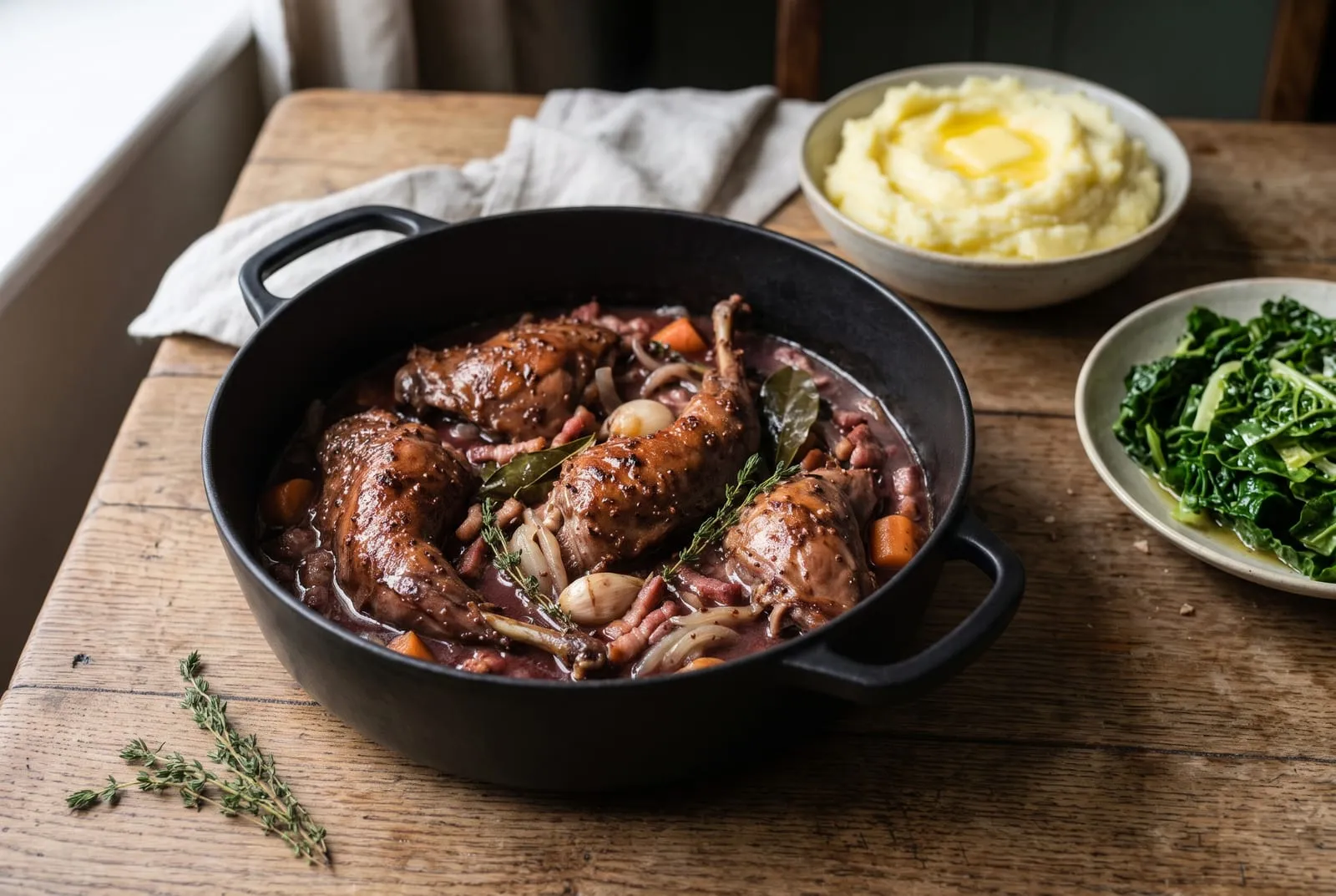
Braised pheasant legs with bacon and red wine
Eight pheasant legs braised in red wine with smoked bacon until the meat falls off the bone, with the hard tendons picked out. Cooked all the way through, as the FSA advises for game birds.
-
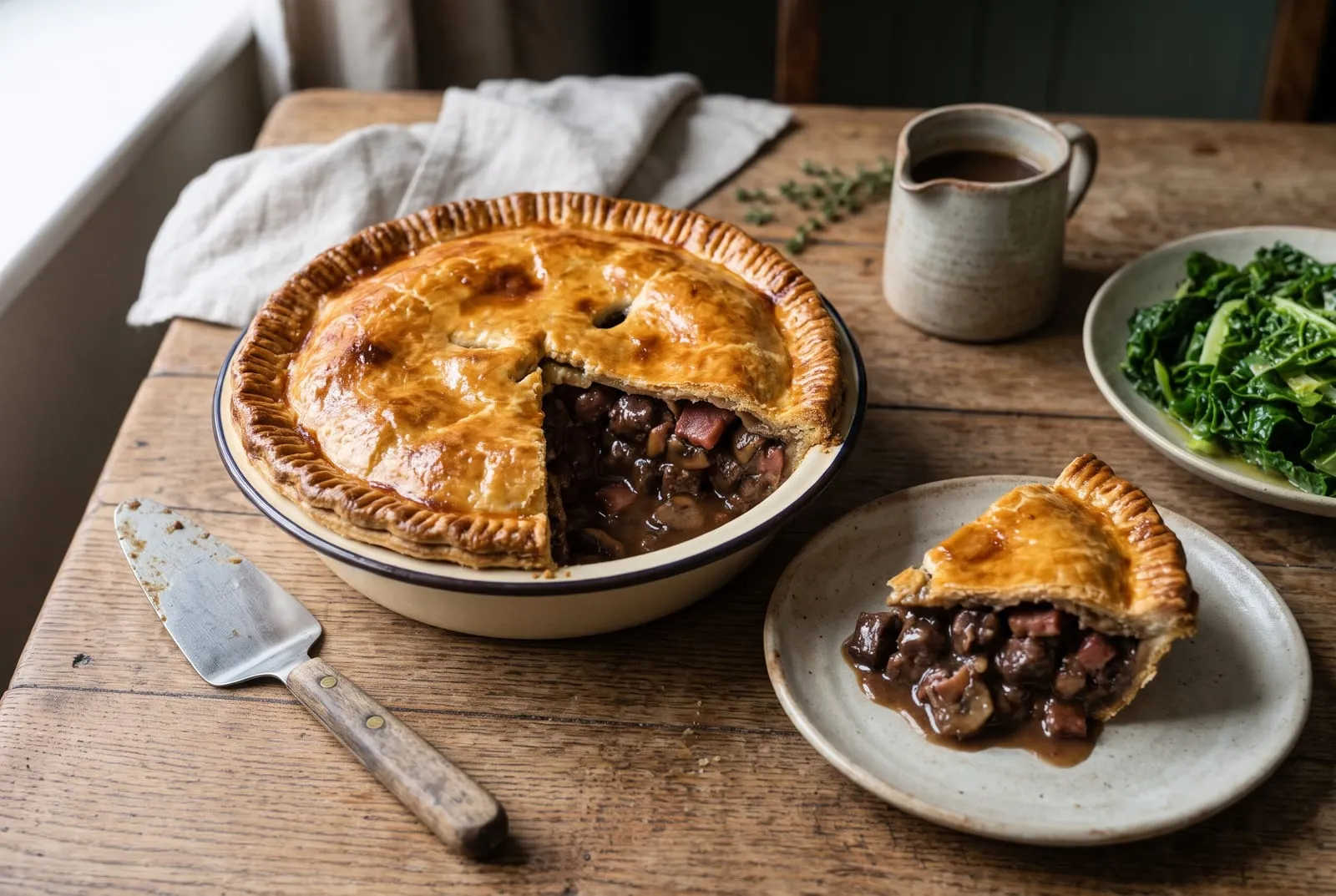
Game pie with venison and pheasant
Diced venison shoulder and pheasant slow-cooked in red wine with smoked bacon, mushrooms and juniper, cooled, then baked under a pastry lid. Freeze it unbaked to keep it.
-
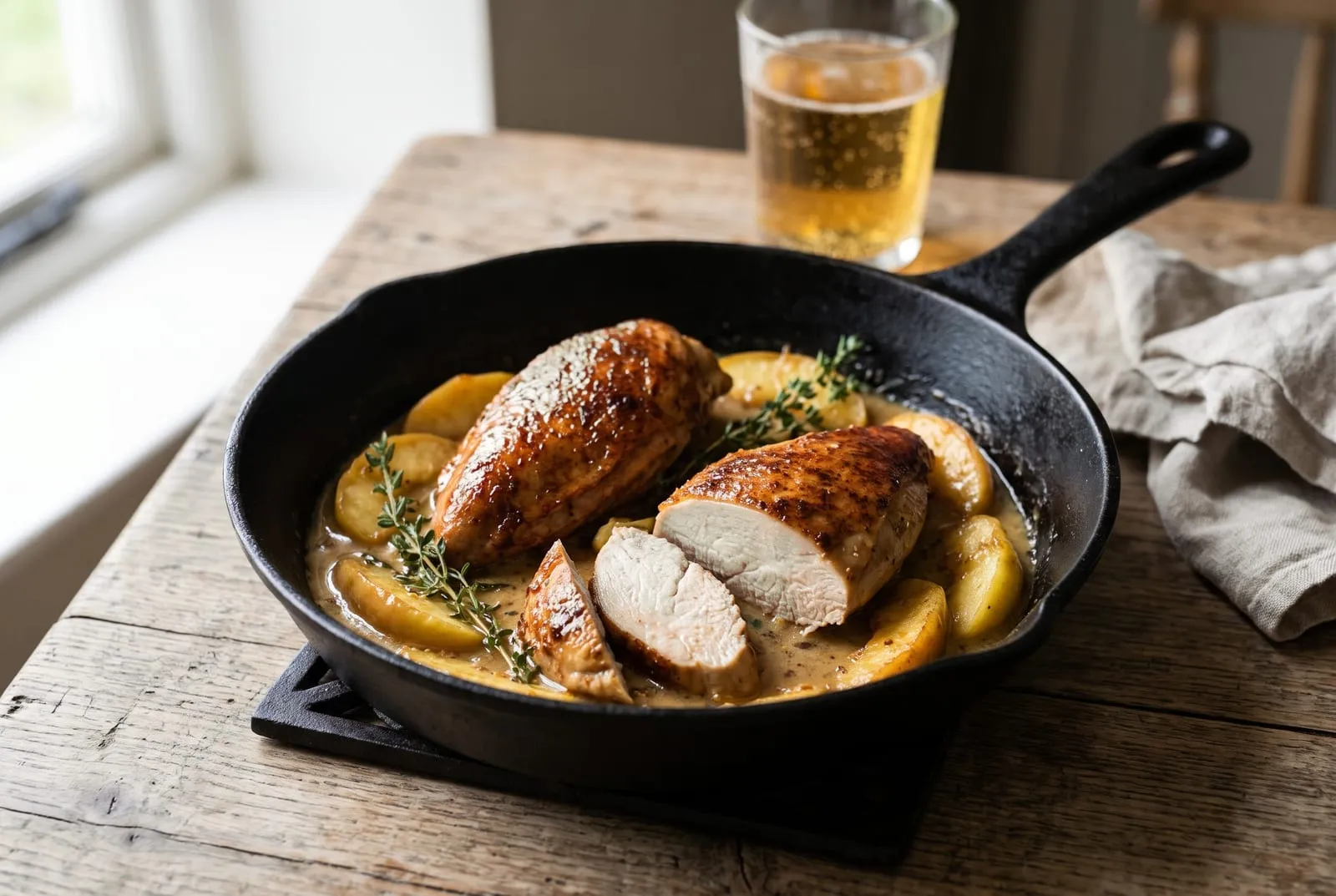
Pan-fried pheasant breasts, no plucking needed
Take the breasts off a brace without plucking or gutting, then pan-fry them in thyme butter with a quick apple, cider and cream sauce. Cooked through, as the FSA advises for game birds, and still juicy.